
The Renaissance Woman Who Taught Me To Meditate
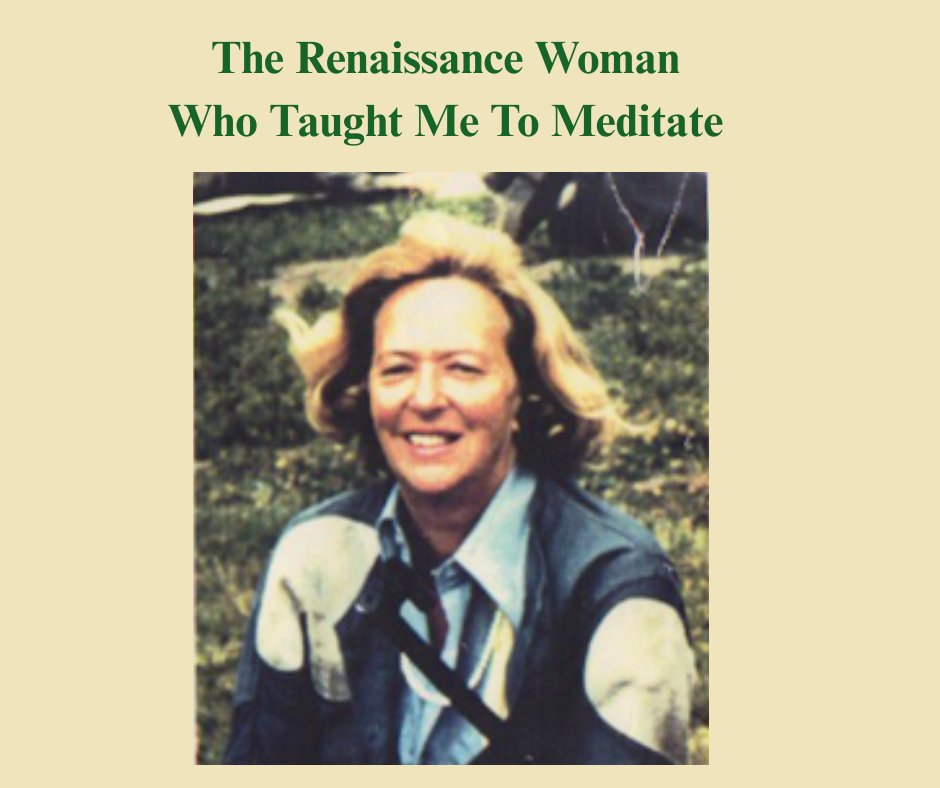
58 years ago, my friends and I were taught Transcendental Meditation by Eileen Learoyd. Not everyone has a lifelong bond with their teacher, but I did. Like a mother to her son, she had a profound influence on my life and arguably saved it.
One day in November 1967, after I’d been months in lost limbo following the collapse of our idealistic bohemian world, a friend wandered into our messy flat with this beatific look and said, "Hey guys, looks like it's possible to get to the other side without dope."
He'd just learned to meditate. And that newsflash woke me up as though a sailor had shouted from the topmost mast: "Land. I see land." So, the next day, with my girlfriend and the others, I was crammed into a plain, crowded meeting room in Vancouver’s downtown Holiday Inn. A journalist named Eileen, whom I figured would look like a frumpy tarot-card reader with a cape, a crystal ball, and long fingernails, was going to teach us to meditate.
Instead, into the room floated an ad out of Vogue magazine: a tall, fashionably dressed woman in her mid-forties, with professionally cut, golden hair. Swishing her skirt under long, slender legs, she sat down, elegant and poised, and spoke in simple words about meditation, taking us beyond thought to Pure Consciousness. She told us that, underneath all that is, beyond space and time, even energy, lies the silent, innocent field of Consciousness, the basis of the whole show. That source is formless, as white light contains all colors, zero all numbers, meditation will take you there, and you’ll be home at last.
That got me because those flashes and intuitions from psychedelics about dissolving the ego, merging into oneness, and all that had made me realize creation must come from one formless, unified essence that vibrates inside itself to create form. Or something like that. I just knew—she has the key; I have to hear this; she was sent for me.
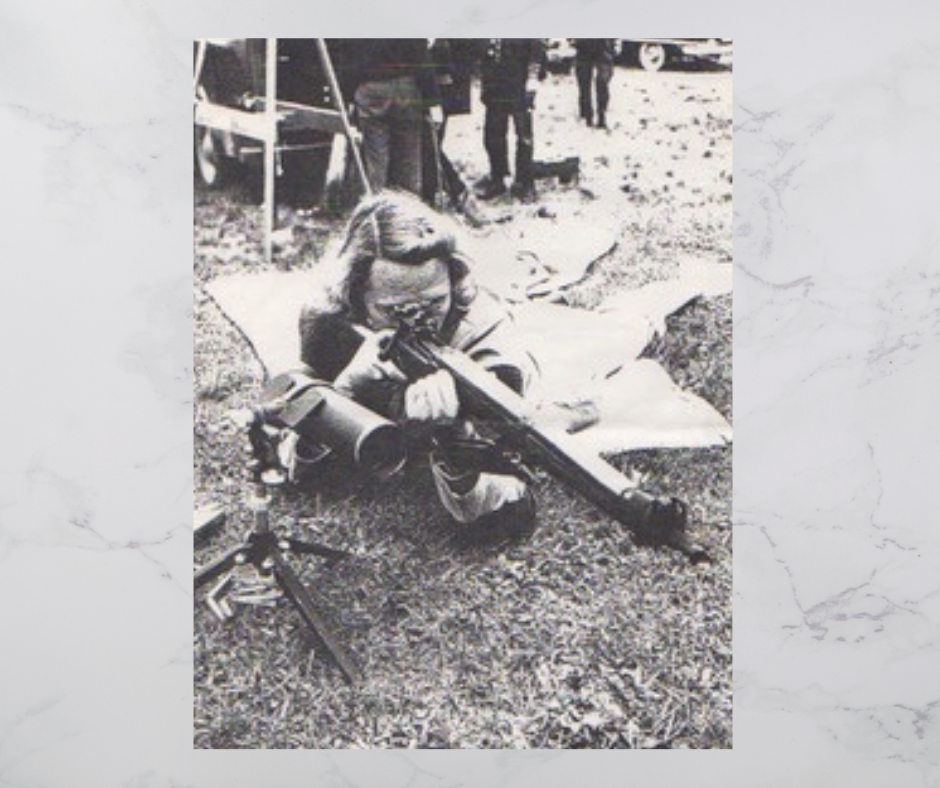
Yes, Eileen was my great, beautiful good luck—a renaissance woman with a Mensa IQ who lived in a strange bedfellows mix of conservative and liberal worlds. She moved in aristocracy, yet she was a professional writer who patronized artists, won gold at heavy-rifle shooting competitions with a lit cigarette hanging from her mouth, defended underdogs and exposed corruption in her newspaper articles, studied Eastern philosophy, taught meditation, and had her daughters call her Eileen instead of mother.
She became mine. It was as if we'd known each other always—we even had the same Leo birthday: August 20th. I'd found a mentor. I'd found a diamond. And I was not going to let her go.
John